Desk Lighting Explained: Task, Ambient, and Accent
Good desk lighting is not about one brilliant lamp. It is about layers. Get the layers right and you can work for hours without straining your eyes, switch to evening mode without harsh glare, and make a corner of a room feel deliberate rather than accidental. The three layers are task, ambient, and accent. Each has a distinct role, and they work best as a team.
Task Lighting: The Light You Work By
Task lighting is the focused beam that illuminates what you are doing. It should be bright enough to read text comfortably, but not so bright that it bounces off paper or your keyboard. The classic example is an adjustable desk lamp with a weighted base or a clamp. Position it to the side of your dominant hand so your hand does not cast a shadow over your work. If you are right-handed, put the lamp on your left. If you are left-handed, put it on your right.
For screen work, aim the light at the wall or desk surface rather than directly at your face or monitor. Look for a lamp with a shade that hides the bulb from your eyeline. Features worth having include an adjustable arm, a dimmer, and a colour temperature that suits your task. Cooler white light (around 4000K) can help with detailed work during the day; warmer light is kinder in the evening.
- Position: opposite your writing hand to avoid shadows.
- Angle: point the beam at the desk, not at your eyes.
- Control: a dimmer lets you match the light to the time of day.
Ambient Lighting: The Room's Base Layer
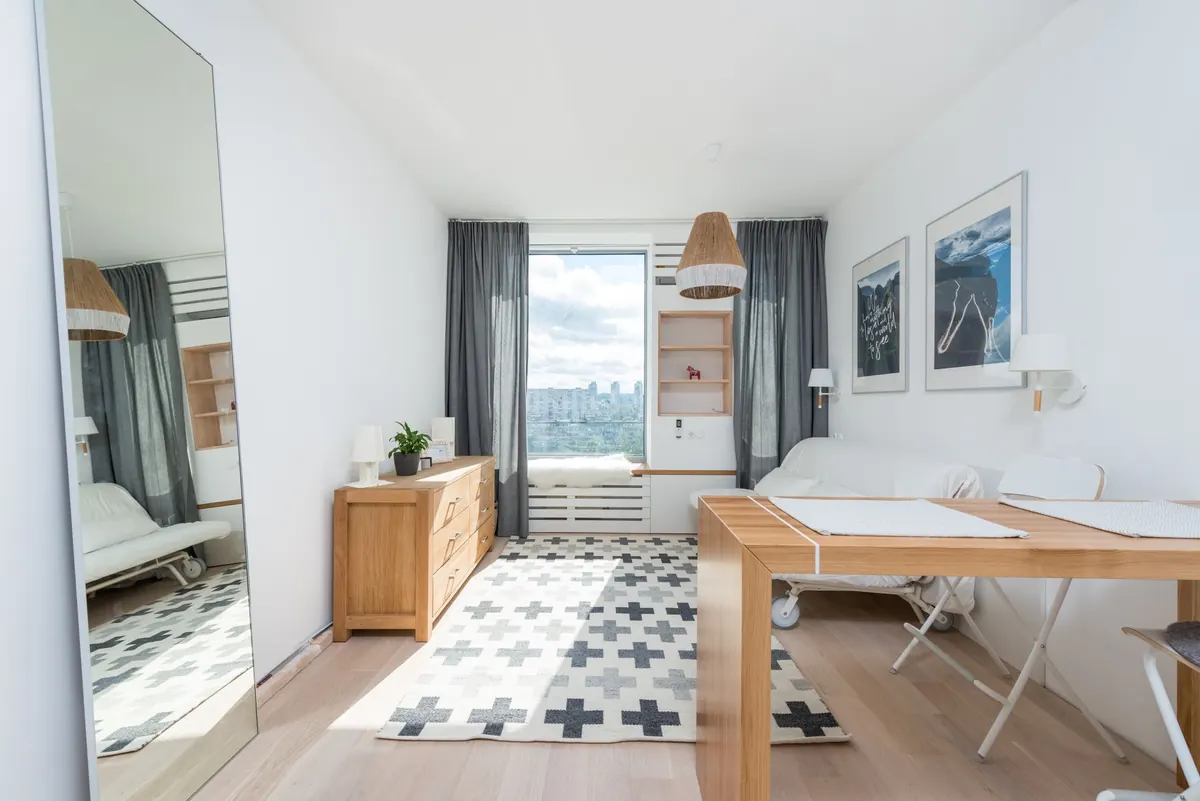
Ambient lighting fills the space. It reduces the contrast between your bright screen and a dark room, which helps prevent tired eyes. Ceiling lights, floor lamps, and wall lights all count. The goal is even, gentle illumination—not a spotlight on your head. If your only light is a harsh overhead fixture, you will often feel either over-lit or under-lit, and you will cast shadows on your desk.
A dimmable overhead fixture or a floor lamp in the corner gives you control. For a small home office, a single ceiling pendant on a dimmer can work well if it is diffused. Avoid bare bulbs in your direct line of sight. If you use a monitor, consider bias lighting: a soft LED strip behind the screen that reduces the contrast between the screen and the wall. It is a simple upgrade that makes long sessions easier on the eyes.
Accent Lighting: Personality and Depth
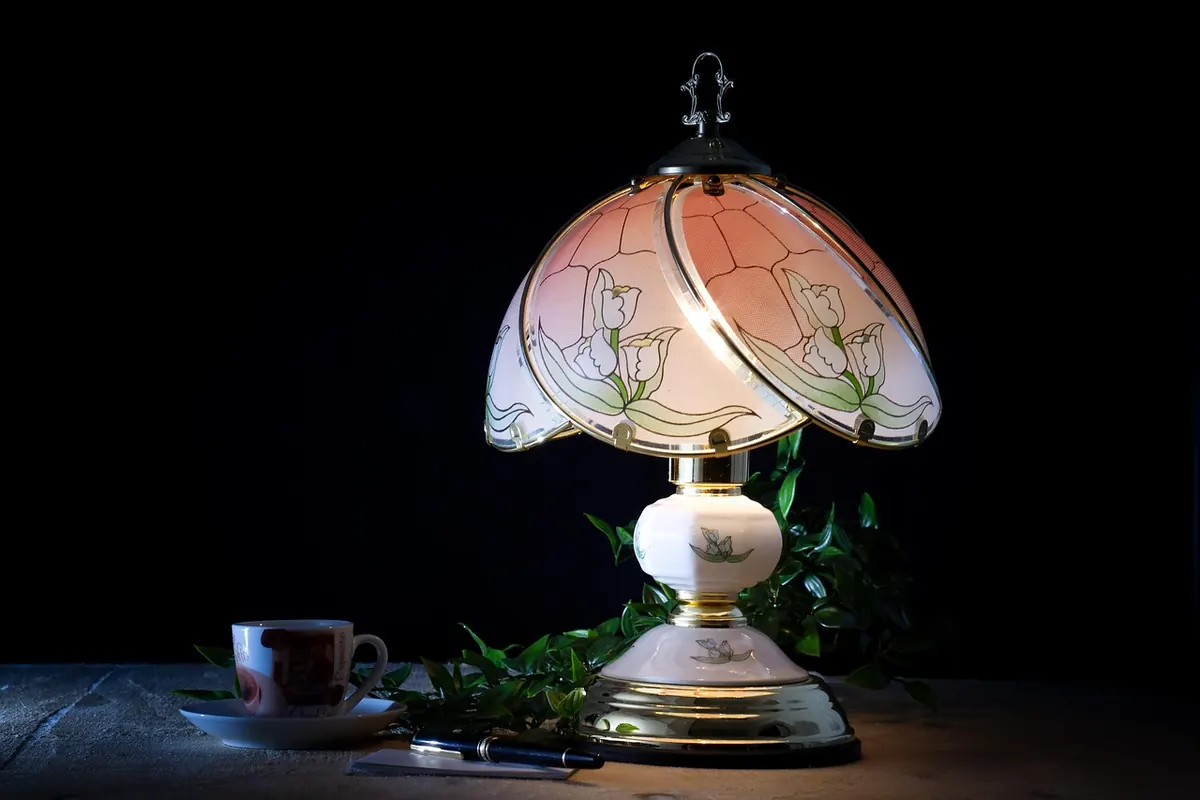
Accent lighting is the layer that makes a desk area feel designed. It highlights a plant, a stack of books, a framed print, or a textured wall. It is not for working by. Small lamps, LED strips behind a shelf, or a picture light can all add accents. Because it is decorative, you can be more playful with colour and shape. A warm, low-level accent light in the evening signals to your brain that the day is winding down. Keep it subtle: the point is depth, not distraction.
How to Combine Task, Ambient, and Accent
Combining them is simpler than it sounds. Start with ambient, add task, then finish with accent. Here is a practical sequence.
- Set your ambient light first. Turn on your ceiling or floor lamp and dim it until the room feels comfortable, not clinical. You should be able to see across the room without squinting.
- Add your task light. Turn it on and adjust the angle so the page or keyboard is evenly lit. Your hand should not cast a shadow over your work. If you can see the bulb reflected in your screen, move the lamp or tilt the shade.
- Add accent light last. Switch on a small lamp or LED strip and check that it adds warmth without washing out the task area.
- Balance the colour temperatures. If your ambient light is warm and your task light is cool, the mismatch can feel jarring. Stick to one family: all warm (2700–3000K), all neutral (3500–4000K), or all cool (5000K+). If you need a mix, keep the task light neutral and the ambient warm.
- Use separate controls. Dimmers, smart plugs, or lamps with their own switches let you change the mood without unplugging anything. Label the switches if you need to.
Common Mistakes and Easy Fixes
- One bright overhead light. It creates glare and shadows. Fix: dim it and add a task lamp.
- Lamp too close to paper. Your hand casts a shadow. Fix: move the lamp to the opposite side of your writing hand.
- Cool white light late at night. It can feel clinical and disrupt wind-down. Fix: switch to a warm bulb or use a dimmer after sunset.
- Accent lights that compete. Too many colours or flashing effects. Fix: choose one accent and keep it steady.
- Cables everywhere. They ruin the look. Fix: use cable clips or a cable tray, and choose lamps with inline switches.
Choosing Bulbs and Fixtures Without Overthinking It
You do not need to memorise lighting jargon. Look for three things: brightness (lumens), colour temperature (Kelvin), and dimmability. For a task lamp, aim for a bulb that is bright enough to read by—often around 400–500 lumens, though it depends on the distance and your eyes. Colour temperature: warm (2700–3000K) for evenings, neutral (3500–4000K) for general work, cool (5000–6500K) for detailed tasks. Dimmable LEDs are efficient and stay cool.
Check the fitting: E27 or E14 are common in the UK. If you are unsure, take the old bulb to a hardware shop. Also consider the shade. An opaque shade directs light down to the desk, while a translucent shade spreads it around. A shade that is too small may leave the bulb visible and cause glare.
A Balanced Setup in Five Minutes
Turn on your ambient light and dim it to about half. Turn on your task light and angle it away from your eyes. Add one accent light. Adjust until your eyes feel relaxed. If you are working late, switch the task light to a warm setting and lower the ambient light further. The best setup is the one you can adjust without thinking. Keep it layered, keep it simple, and your desk will feel better for it. If discomfort or eye strain persists, speak to an optician or healthcare professional.
Photo: Sponchia / Pixabay